
Create and maintain DORA-aligned Register of Information for continuous compliance
Create, maintain and export a compliant Register of Information with clear traceability across functions, services, contracts, and providers without spreadsheets or manual rework.
A Register of Information you easely can manage and keep up to date.

Structure your Register of Information for DORA compliance.
The ROI solution structures your ICT outsourcing and service data according to the official EBA DORA data model - Financial Entity, Functions, Contracts, Services, Providers, and Supply Chain - giving you a compliance-ready register immediately without custom modelling or rework.

Connect ICT services, providers, and contracts for one source of truth
Instead of fragmented spreadsheet or siloed vendor lists, every contract, service, function, and provider is connected in one system, giving you a complete operational view of how technology supports your business. This makes supervisory reviews easier, clarifies risk impacts, and supports proactive operational resilience decisions.

Reduce manual workload with built-in automations
The ROI product helps you work smarter by:
- Auto-populating provider detail
- Extracting metadata from contract documents
- Importing previous DORA reports as a starting point
These automations reduce data entry and help improve quality so your team focuses on judgement and oversight, not formatting.

Ready for supervisory submission
Export data in DORA-aligned formats that can be used directly for regulatory reporting or internal compliance processes.
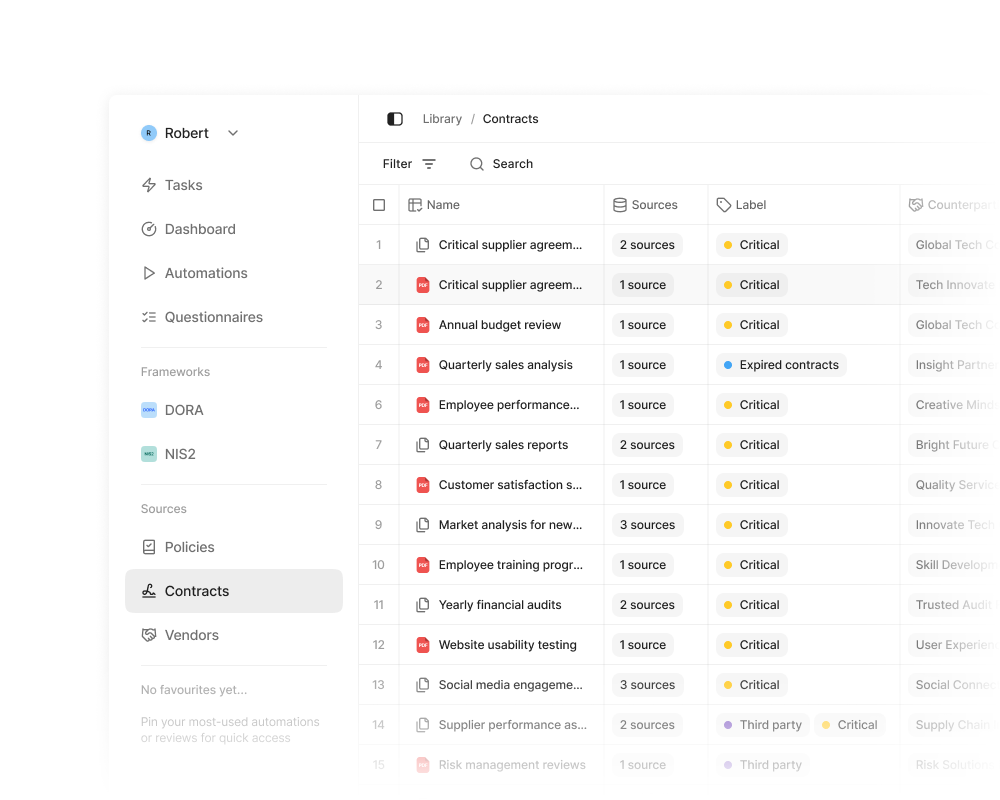
Automated compliance
for the entire organisation
One system that connects your whole organisation to your compliance requirements. Every policy, contract, and control has a clear owner. The platform supports operations with suggestions and automation, but you stay in control. Your audit trail is built by your decisions.
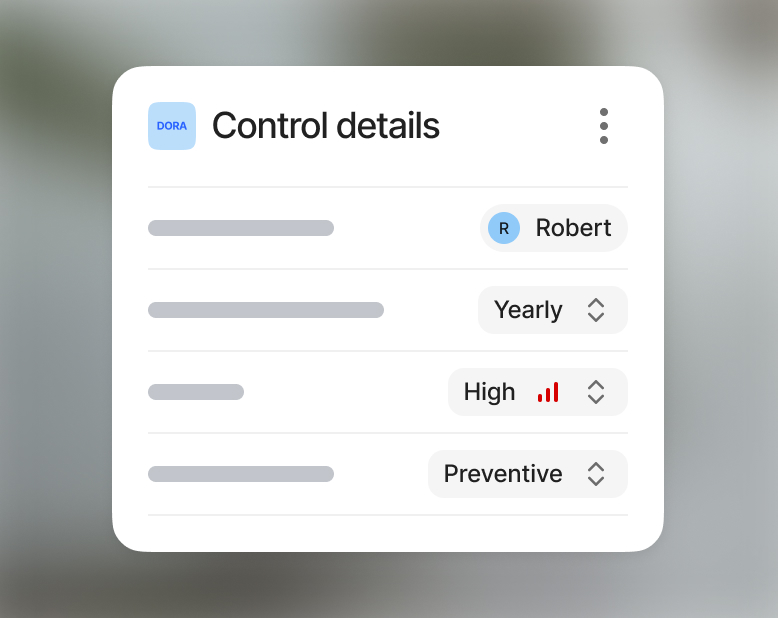
Structured requirements for compliance leaders
The foundation layer translates regulations, internal rules, and best practices into clear, configurable processes. Requirements, roles, controls, and documentation are defined and traceable.
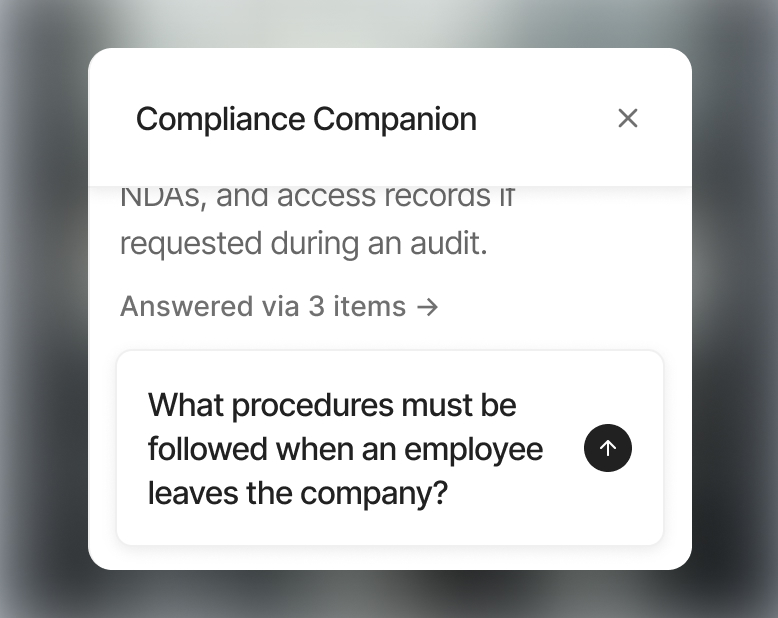
Guided execution for every employee
The operational layer takes structure to the frontline. Hy5 guides employees through tasks, automates repetitive controls, and provides AI-supported assistance for decisions. Everyone knows what to do, how to do it, and whether it's done correctly.
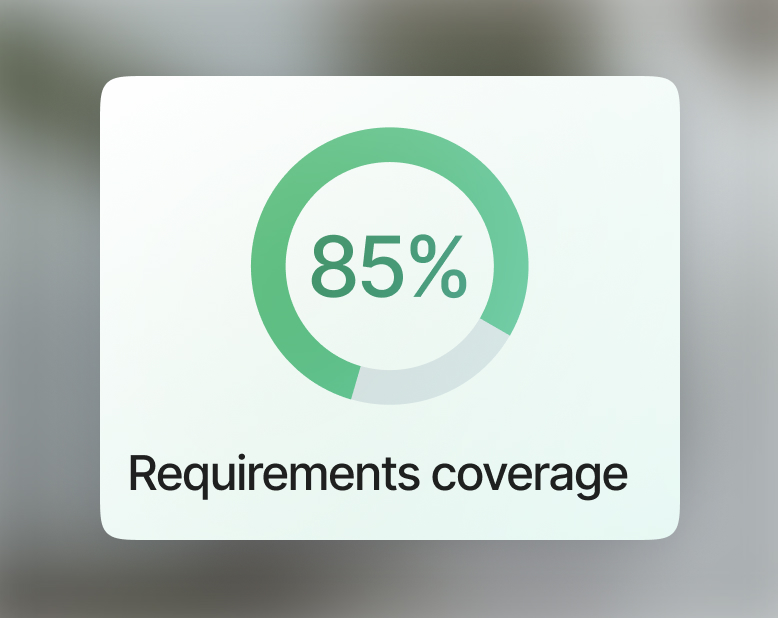
Instant reporting for leadership and stakeholders
The reporting layer gives leadership and stakeholders a clear view of the situation. Dashboards and reports make internal follow-up easy, and the same data can be shared with customers, suppliers, and authorities when needed.
DORA standardises digital resilience across EU finance
The Digital Operational Resilience Act came into force on 17 January 2025. It requires financial institutions to prove they can prevent, detect, withstand, and recover from ICT disruptions. Compliance is no longer best practice. It's a legal obligation.
DORA applies to financial institutions operating in the EU, including banks, investment firms, insurance companies, payment service providers, and their critical ICT third-party providers.
Organisations must implement comprehensive ICT risk management frameworks, establish incident reporting and classification procedures, conduct regular digital operational resilience testing, and maintain ongoing oversight of third-party ICT service providers.
DORA is built around five pillars. The first four are mandatory for all entities in scope. The fifth is voluntary.
- ICT risk management – Establish frameworks to identify, protect against, and respond to ICT risks
- ICT-related incident management – Classify, report, and learn from ICT incidents
- Digital operational resilience testing – Regularly test your systems and controls (advanced testing required for larger entities)
- ICT third-party risk management – Assess and monitor risks from vendors and service providers
- Information sharing – Voluntarily share threat intelligence with other financial entities
Proportionality applies. Smaller or less complex organisations face lighter requirements, but none are exempt from the core obligations.
DORA shifts digital resilience from best practice to legal obligation. You must prove your organisation can prevent, detect, withstand, and recover from ICT disruptions. Even if you rely on cloud or outsourced technology, you remain accountable. Proactive governance, documentation, and continuous monitoring are no longer optional.
Contact sales
Leave your details and we'll get back to you shortly.